

U.S. spot ETFs tracking Bitcoin, Ethereum, and Solana all recorded net outflows on March 26, with BTC products shedding $171.22 million and ETH funds losing $92.54 million in what appears to be a coordinated institutional pullback across the three largest crypto assets by ETF exposure.
The simultaneous outflows mark one of the few sessions in 2026 where all three spot ETF product categories posted negative net flows on the same trading day. The data underscores a shift in institutional appetite that extends beyond any single asset.
All Three Spot ETF Products Posted Red on March 26
Bitcoin spot ETFs led the outflows with $171.22 million in net redemptions, according to CoinGlass ETF flow data. Ethereum spot ETFs followed with $92.54 million in net outflows on the same session.
Solana spot ETFs also recorded net outflows on the day, though the full figure was not immediately available at press time. All three products are U.S.-listed spot vehicles that launched to significant institutional interest over the past year.


The BTC outflow figure of $171.22 million is notable but not extreme by recent standards. In late January, U.S.-listed Bitcoin and Ether ETFs shed nearly $1 billion in a single session, illustrating that institutional flows can swing sharply on macro-driven trading days.
The March 26 session came during a period of broader price softness. Bitcoin and Ethereum had already been slipping on geopolitical uncertainty earlier in the week, which may have weighed on ETF demand heading into Wednesday’s session.
Same-Day Outflows Signal Broad Risk-Off, Not Asset-Specific Weakness
When a single ETF product sees outflows, the cause is often asset-specific: a disappointing upgrade, a whale liquidation, or shifting rotation within crypto. When all three major crypto ETF categories bleed on the same day, the signal is different.
Simultaneous net outflows across BTC, ETH, and SOL products suggest institutional allocators reduced crypto exposure as a category rather than making relative-value calls between assets. This pattern is consistent with a macro risk-off move where portfolio managers trim alternatives broadly.
The correlation across all three products on March 26 contrasts with earlier periods this year. In mid-February, Solana ETFs bucked the outflow trend even as Bitcoin and Ether products bled, reflecting more idiosyncratic positioning. That divergence is absent here.

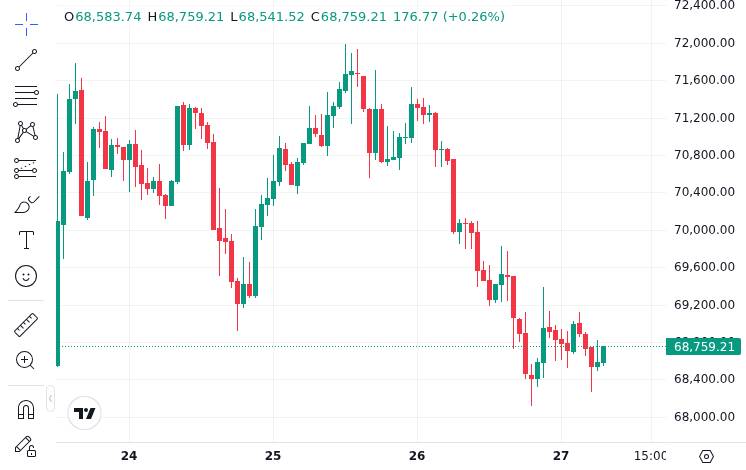
Spot prices reflected the cautious mood. Bitcoin traded lower through the session as ETF redemptions added to selling pressure. The degree to which ETF flows drive spot prices versus reflect them remains debated, but large single-day outflows typically coincide with downward price movement in the near term.
March Context: One Bad Day Does Not Erase a Positive Month
Despite March 26’s red print, the broader monthly picture for Bitcoin ETFs has been more constructive. Earlier in March, Bitcoin ETFs rebounded with significant inflows after a challenging four-month stretch of persistent outflows that weighed on sentiment through late 2025 and into early 2026.
One session of $171 million in BTC outflows, while meaningful, does not by itself reverse a monthly inflow trend. The key question is whether March 26 represents an isolated risk-off day or the start of a fresh outflow streak heading into quarter-end.
Quarter-end rebalancing may be a factor. Institutional allocators frequently adjust positions in the final week of a quarter, and March 31 falls on a Tuesday, giving funds limited trading days to execute rebalancing flows. This could amplify both inflows and outflows through the end of the month.
For Ethereum ETFs, the $92.54 million outflow adds to what has been a more challenging flow environment relative to Bitcoin. ETH products have generally attracted thinner inflows since launch, making outflow days more impactful on cumulative totals. The broader adoption of crypto in traditional finance, including developments like Fannie Mae’s move to accept crypto for mortgage down payments, has not yet translated into consistently positive ETH ETF flows.
Solana ETF products, being the newest entrants among the three, carry the thinnest track record. Daily flow volatility is expected to remain elevated as the product matures and institutional allocators build longer-term positioning. Upcoming developments in the Solana ecosystem, including expanding tokenization efforts across chains, could influence future demand.
Traders monitoring ETF flows heading into April should watch for whether the March 26 outflows extend into a multi-day pattern or reverse quickly, as the direction of that follow-through will likely set the tone for early Q2 institutional positioning.
Disclaimer: This article is for informational purposes only and does not constitute financial or investment advice. Cryptocurrency and digital asset markets carry significant risk. Always do your own research before making decisions.