
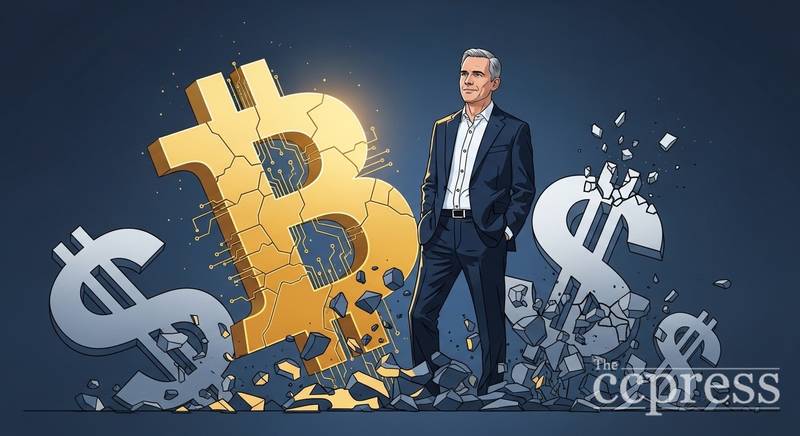
Coinbase CEO Brian Armstrong just flipped the Bitcoin-versus-dollar narrative on its head. Instead of pitching Bitcoin as an escape from fiat, Armstrong argues it actually strengthens US dollar dominance, a claim that reframes crypto adoption as a weapon for American financial supremacy.
Armstrong’s Case: Bitcoin as a Dollar Amplifier, Not a Rival
Armstrong’s thesis quickly circulated across crypto media after he laid it out in public remarks. The core argument: Bitcoin extends US dollar dominance rather than competing with it.
The logic hinges on dollar-pegged stablecoins. As crypto adoption spreads globally, billions in stablecoin transactions effectively export demand for the US dollar. Every USDC or USDT transaction in Lagos, Jakarta, or Buenos Aires reinforces the greenback as the world’s default unit of account.
That’s a sharp departure from how most Bitcoin maximalists frame things. BTC has long been pitched as an escape hatch from fiat. Armstrong, running the largest US-based crypto exchange, is arguing the opposite: a thriving Bitcoin ecosystem and dollar hegemony are mutually reinforcing.
The statement carries strategic weight, too. Coinbase co-issues USDC through its partnership with Circle, giving Armstrong a direct financial stake in the stablecoin-as-dollar-export thesis. That context matters when weighing his argument.
Why Crypto Could Reinforce US Financial Power
Armstrong’s argument builds on a structural trend gaining traction in Washington. Dollar-backed stablecoins now represent a massive share of global crypto transaction volume, and that volume increasingly flows through countries with weak local currencies.
When someone in an emerging market converts local currency to USDC to save or transact, they are effectively dollarizing their financial activity. Scale that across millions of users and crypto rails become an unofficial dollar distribution network, one that costs the US Treasury nothing to maintain.
This framing has found allies on Capitol Hill. Several pending US crypto bills, including stablecoin regulatory frameworks, treat dollar-denominated digital assets as instruments of national interest. A proposed strategic Bitcoin reserve has also entered serious policy discussions, positioning BTC holdings as a complement to existing reserves.
The argument has both proponents and skeptics. Supporters point to explosive stablecoin supply growth as evidence. Critics counter that a truly decentralized Bitcoin network could just as easily route around dollar dominance if adoption hits sufficient scale, especially as other nations explore central bank digital currencies.
For investors watching how Bitcoin’s price trajectory intersects with macro forces, Armstrong’s thesis adds another dimension to the bull case: Bitcoin-friendly US policy could accelerate if lawmakers buy the dollar-strengthening narrative.
Reactions and What This Means for US Crypto Policy
Armstrong’s positioning is not happening in a vacuum. Coinbase has ramped up its policy advocacy in recent months, and framing Bitcoin as a national security asset rather than a regulatory threat is a calculated lobbying play.
The timing aligns with active legislative movement. Stablecoin regulation bills are advancing through committee, and discussions around a US Bitcoin reserve have shifted from fringe proposals to serious policy debate. Armstrong’s remarks plant Coinbase firmly on the patriotic side of that conversation.
The broader institutional crypto landscape is shifting fast, with new ETF applications and regulatory filings signaling growing mainstream acceptance. Armstrong’s dollar-dominance argument hands politicians a politically safe reason to back crypto-friendly legislation: you’re not supporting speculative assets, you’re defending American financial supremacy.
No major policymakers have publicly responded to these latest remarks yet. But the argument echoes language from Armstrong’s prior appearance at the Hoover Institution, where he outlined his vision for Bitcoin’s role in global finance.
The real test arrives when the stablecoin bill hits a floor vote. If the legislation passes with language treating dollar stablecoins as tools of monetary policy extension, Armstrong’s thesis graduates from corporate talking point to codified US strategy. That vote could come within weeks.
Meanwhile, the crypto industry’s growing intersection with traditional finance, visible in everything from AI-driven token rallies to institutional ETF filings, suggests Armstrong is reading the room correctly. The question is whether Washington agrees before the window closes.
Disclaimer: This article is for informational purposes only and does not constitute financial or investment advice. Cryptocurrency and digital asset markets carry significant risk. Always do your own research before making decisions.