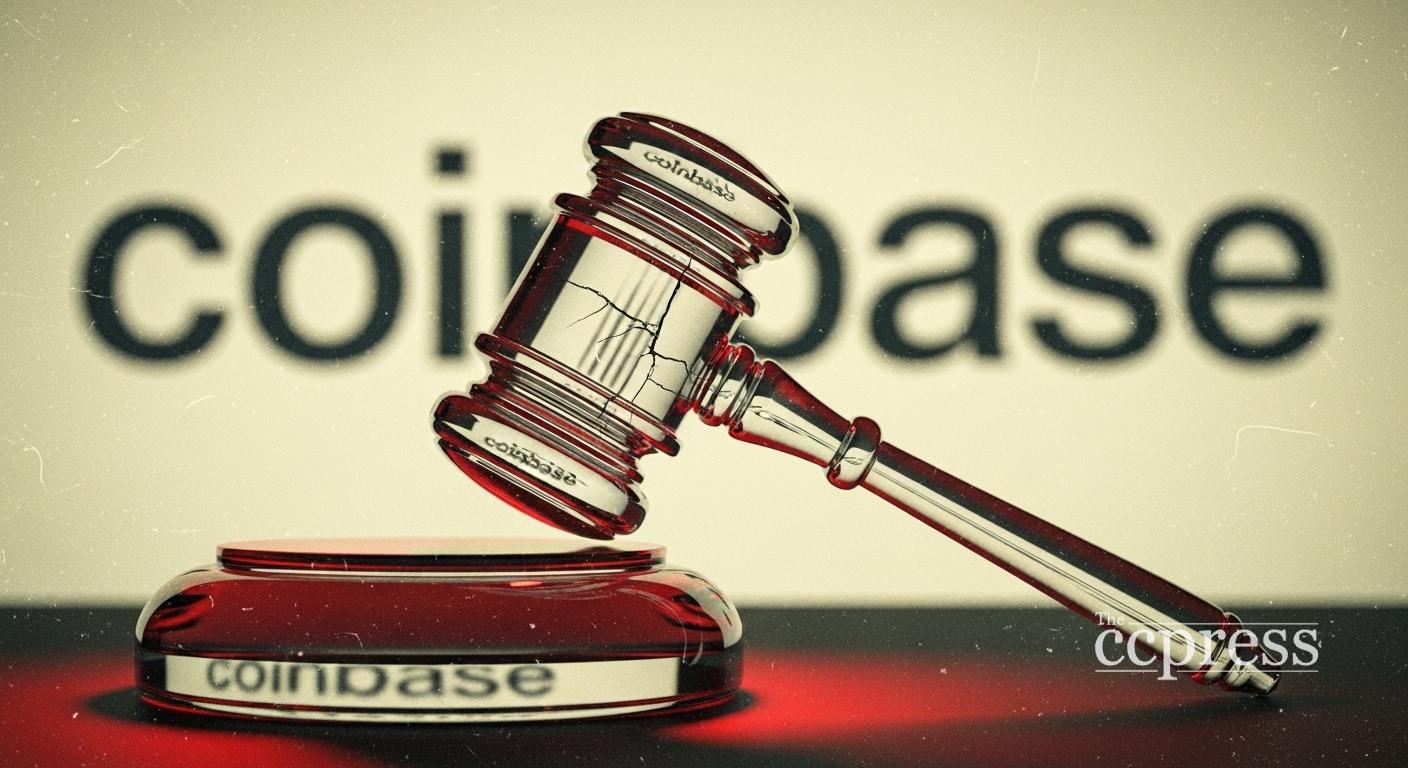
President Trump intensified his push for a comprehensive crypto framework, alleging that large banks are undermining progress and urging the Senate to move quickly on two fronts: the GENIUS Act’s stablecoin provisions and a broader market‑structure package commonly referred to as the CLARITY Act. The dispute centers on whether stablecoin issuers and partners can pay yields or rewards, and on how to divide oversight between the Securities and Exchange Commission and the Commodity Futures Trading Commission.
As markets digested the rhetoric, Coinbase shares rose sharply amid renewed attention on digital‑asset rules; as reported by CNBC, the stock jumped 12% following Trump’s latest call for legislation that would enable crypto firms to offer yield‑bearing products. That move underscored how policy headlines can shift sentiment for U.S. crypto platforms navigating regulatory uncertainty.
Banks oppose stablecoin yields in GENIUS Act; Trump demands Senate vote
Trump has publicly criticized the banking industry and pressed the U.S. Senate to advance crypto legislation, framing the dispute as a consumer‑value issue tied to competition and national leadership. As reported by The Hill, he alleged that the stablecoin bill he signed last year is being threatened and urged lawmakers to pass a market‑structure package as soon as possible.
At the same time, the political dynamics around industry participation appeared to broaden. According to PYMNTS, Coinbase has secured White House backing in its fight over pending cryptocurrency legislation, a sign that executive‑branch engagement could influence Senate negotiations.
What the GENIUS Act allows and restricts on stablecoin rewards
At its core, the GENIUS Act establishes a framework for U.S. dollar stablecoins and draws lines around who may offer yields or rewards on those tokens. Bank‑aligned groups are pushing to tighten language they view as leaving room for non‑bank entities to deliver returns on stablecoins outside traditional bank oversight, while crypto proponents argue that rewards are necessary for stablecoins to remain competitive with deposits.
Industry leaders have accused major banks of trying to remove rewards entirely. As reported by Bitcoin Magazine, Coinbase’s Brian Armstrong warned that a Senate draft could broadly ban stablecoin rewards and even sweep in parts of decentralized finance, describing the approach as overreach that would reduce consumer choice.
Trump has framed the dispute as banks protecting margins at the expense of consumers, a claim he has linked to his demand for a swift Senate vote. “The GENIUS Act is being threatened and undermined by the Banks, and that is unacceptable , We are not going to allow it,” said Donald Trump on Truth Social, as reported by Yahoo News.
Supporters within the administration’s orbit argue the law would channel demand into safe assets while clarifying rules. According to Cointelegraph, White House Crypto Czar David Sacks has said that clear stablecoin rules could unlock significant demand for U.S. Treasurys and accelerate institutional adoption.
Central banking voices, however, warn that yield‑bearing stablecoins may create financial‑stability and policy risks if they function too much like bank money outside the existing prudential regime. As reported by CoinDesk, Bank of England Governor Andrew Bailey cautioned against retail banks issuing their own stablecoins and instead pointed to tokenized deposits as a safer, more supervised alternative.
CLARITY Act: SEC vs CFTC oversight changes and market implications
The market‑structure bill commonly referred to as the CLARITY Act aims to more clearly divide oversight between the SEC and CFTC and to standardize how core activities in digital assets are supervised. Clearer jurisdictional lines could lower compliance ambiguity for U.S. firms and potentially shift competitive dynamics across exchanges, brokers, and stablecoin issuers, though final legislative text will determine the scope and pace of change in practice.
Skeptics emphasize consumer‑protection risks if stablecoin rewards and lighter‑touch supervision expand too quickly. As reported by Ars Technica, Rep. Maxine Waters warned that pro‑industry crypto bills could financially harm consumers by weakening safeguards and oversight.
Others argue that existing financial‑crime rules already over‑burden lawful crypto activity and entrench incumbent advantages. According to Forbes, policy expert Norbert Michel contended that the Bank Secrecy Act framework and related surveillance may be suppressing peer‑to‑peer transactions and limiting crypto’s potential absent reform.
At the time of this writing, Bitcoin traded around $72,864 with medium volatility of 4.50% and a neutral 14‑day RSI near 46, alongside a bearish sentiment reading. These conditions provide context rather than a signal, and any legislative outcome will likely influence liquidity, risk perceptions, and business models gradually rather than all at once.
| Disclaimer: The content on The CCPress is provided for informational purposes only and should not be considered financial or investment advice. Cryptocurrency investments carry inherent risks. Please consult a qualified financial advisor before making any investment decisions. |