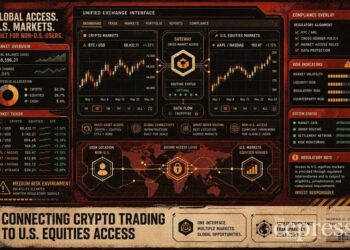




















Kalshi has launched Solana perpetual futures, marking the regulated prediction market’s push into cryptocurrency derivatives and giving U.S. traders a new venue for leveraged exposure to SOL.
The company announced the perpetual futures product as part of a broader expansion into crypto derivatives. Kalshi, which originally built its reputation on event contracts covering elections and economic data, filed documentation with the Commodity Futures Trading Commission ahead of the launch.
A CFTC filing related to the product confirms the regulatory pathway Kalshi pursued for the offering.
What Kalshi’s Solana Perpetual Futures Product Offers
Perpetual futures are derivative contracts that let traders speculate on an asset’s price without an expiration date. Unlike standard futures that settle on a fixed date, perpetuals use a funding rate mechanism to keep the contract price anchored to the underlying spot market.
For Solana, this means traders on Kalshi can take long or short positions on SOL’s price movements with leverage, without needing to hold the token directly. The product mirrors what offshore exchanges have offered for years, but through a U.S.-regulated platform.
Kalshi’s perpetual futures documentation provides details on contract specifications and trading mechanics for the new product line.
Why Solana Is the Focus
Solana has established itself as one of the most actively traded layer-1 tokens outside of Bitcoin and Ethereum. Its high throughput and low transaction costs have attracted a large DeFi ecosystem, making SOL a natural candidate for derivatives products aimed at active traders.
The choice to launch with Solana perpetuals signals Kalshi’s intent to target crypto-native traders who already use perpetual contracts on offshore venues. Bringing that activity onshore under CFTC oversight could appeal to institutional participants and U.S.-based funds that face compliance barriers on unregulated platforms.
Kalshi’s Broader Crypto Derivatives Push
The Solana perpetual futures launch positions Kalshi as a direct competitor to other U.S. platforms expanding into crypto derivatives. The move comes as Robinhood shapes its own prediction market strategy through its Rothera Exchange acquisition, intensifying competition for retail and institutional crypto trading volume.
Kalshi’s expansion from event contracts into perpetual futures represents a significant product strategy shift. The platform is betting that regulated crypto derivatives can capture market share from both offshore perpetual exchanges and traditional futures venues.
The launch also arrives during a period of growing institutional interest in crypto infrastructure, as firms like BlackRock continue updating their crypto ETF filings and traditional financial institutions explore digital asset products. Meanwhile, developments like Japan’s megabank stablecoin plans underscore the global momentum behind regulated crypto financial products.
Whether Kalshi can attract meaningful trading volume away from established crypto derivatives venues will depend on its fee structure, leverage limits, and the depth of liquidity it can build in the SOL perpetual market.
Disclaimer: This article is for informational purposes only and does not constitute financial or investment advice. Cryptocurrency and digital asset markets carry significant risk. Always do your own research before making decisions.