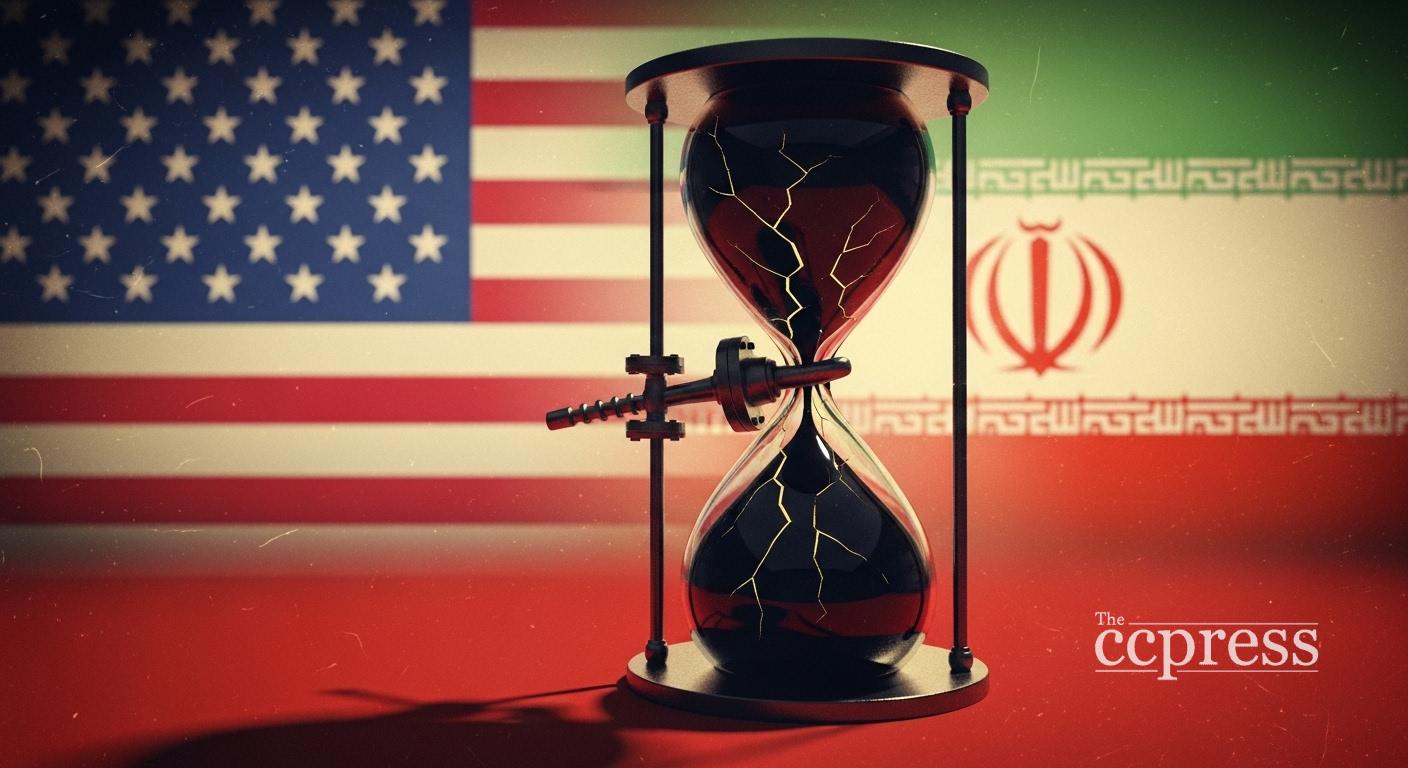
Talks possible, but Tehran publicly rejects negotiations under pressure
Donald Trump has said U.S.-Iran negotiations are “possible,” as reported by the Washington Post, while Tehran’s leadership has publicly rejected talks under pressure, according to Axios. The result is a stark split-screen: Washington signaling openness, and Iran’s top authority dismissing the premise of negotiations conducted amid threats.
Mixed messaging inside Iran reflects its dual power centers: an elected government that manages day-to-day diplomacy and a supreme leader who sets the strategic ceiling. That structure often produces simultaneous hints of diplomatic flexibility and categorical red lines.
Abbas Araghchi, Iran’s foreign minister, has framed a pathway to engagement as contingent on talks that are fair, equitable, and grounded in mutual respect, as reported by Time. That emphasis on process over optics is echoed in security channels; Ali Larijani, a top security official, said arrangements for negotiation were progressing but ruled out talks “under threats,” as reported by Al Jazeera.
Araghchi’s conditions vs. Khamenei’s rejection: what would enable talks
Araghchi’s conditions delineate how U.S.-Iran negotiations could be structured: no coercion, no imposition of terms, and a format that signals parity rather than capitulation. These parameters are consistent with Iran’s longstanding demand that diplomatic engagement be insulated from overt military pressure or ultimatums.
Editorial context: the supreme leader’s position ultimately governs the ceiling for any dealmaking. “Negotiation with the U.S. is not rational, intelligent or honorable,” said Ayatollah Ali Khamenei, Iran’s supreme leader, underscoring that past overtures did not meet Iran’s standards for reciprocity.
Analysts caution that distrust, rooted in broken agreements and perceived inconsistency, remains a significant brake on progress; Ross Harrison, a nonresident scholar at the Middle East Institute, has argued this skepticism complicates even preliminary steps, as reported by Le Monde. In practice, what could move the needle are calibrated confidence-building moves that reduce coercive signaling and outline a credible, fair framework, potentially including narrowly tailored sanctions-related incentives alongside verifiable constraints.
Military buildup and Congress shape diplomacy, experts warn
Escalatory posturing can shrink already limited diplomatic space, experts warn. Ali Vaez of the International Crisis Group has argued that a “one-and-done” strike is unlikely to resolve core disputes and could instead increase military escalation risks by prompting retaliation and miscalculation.
U.S. institutional checks also matter: Congress recently rejected a war powers resolution that would have limited strikes on Iran, according to the Associated Press. While not an authorization for force, the vote signals lawmakers’ reluctance to greenlight open-ended operations without fuller debate, shaping the administration’s menu of options.
Taken together, a credible channel for u.S.-Iran negotiations likely depends on de-escalation and clear guardrails. Expert assessments suggest sustained military pressure could narrow diplomatic off-ramps, whereas measured steps, sequenced to test intent and mitigate risk, offer a more plausible route to talks under conditions both sides can accept.
| Disclaimer: The content on The CCPress is provided for informational purposes only and should not be considered financial or investment advice. Cryptocurrency investments carry inherent risks. Please consult a qualified financial advisor before making any investment decisions. |