
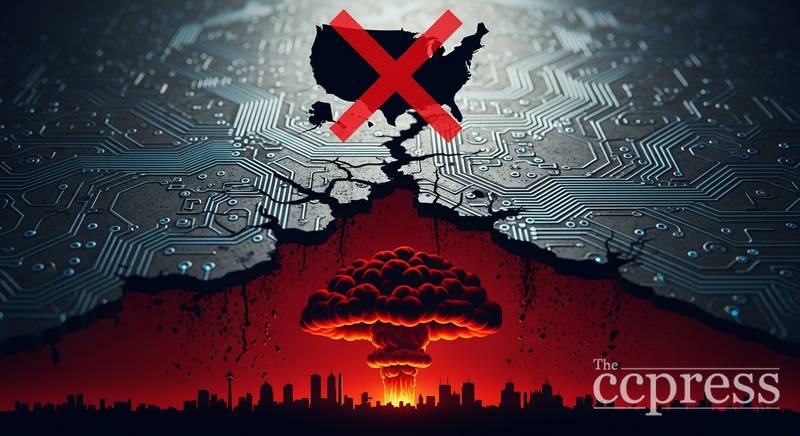
The United States has signaled it has no immediate plans to launch a ground invasion of Iran, but the crypto market continues to fall as weeks of geopolitical uncertainty weigh on digital asset prices across the board.
The development arrives as the U.S.-Iran conflict enters its fourth week, with Bitcoin, Ethereum, and XRP all posting sharp declines. For crypto traders, the intersection of military posture and market sentiment has become the defining story of March 2026.
What the U.S. Said About Iran, and What Remains on the Table
Earlier this month, reports indicated that the Trump administration postponed planned military strikes against Iran, a decision that briefly triggered a relief rally across risk assets including cryptocurrencies.
The latest signal goes further, with U.S. officials indicating no immediate plans for a ground invasion. However, the language is deliberately narrow. “No immediate plans” is not a permanent commitment, and military options have not been removed from the table.
This distinction is critical. The phrasing leaves room for a rapid shift in posture depending on Iranian actions or changes in the diplomatic landscape. Any resumption of strikes or breakdown in back-channel negotiations could reverse the current de-escalation stance overnight.
BTC, ETH, and XRP Drop as the Conflict Enters Day 28
Despite the de-escalation signal, the crypto market has not recovered. As CryptoTimes reported today, BTC, ETH, and XRP prices all dropped as the Iran conflict entered its 28th day, suggesting prolonged uncertainty is weighing on sentiment more than any single headline.
The selling is consistent with a broader risk-off pattern. Crypto markets, which operate around the clock, have absorbed geopolitical shocks in real time throughout this conflict. Euronews reported earlier this month that crypto’s 24/7 trading platforms dominated Iran war-related trading during periods when traditional equity markets were closed.
This pattern has been visible throughout March. The crypto market has already experienced sudden large-scale sell-offs during the conflict, including an episode that wiped $30 billion from the market in just 60 minutes earlier this month.
Why Geopolitical Risk Is Moving Crypto, and What to Watch Next
Bitcoin’s behavior during this crisis has tested the “digital gold” narrative. Rather than acting as a safe haven, BTC has largely correlated with risk assets, falling alongside equities during escalation headlines and recovering only partially on de-escalation signals. This challenges the thesis that crypto markets operate independently from traditional financial pressures.
The question of whether the current dip represents a buying opportunity or the start of a prolonged downturn has been debated across the industry. Bankless Times explored this question earlier in March, noting that each new turn in the conflict has produced divergent outcomes for digital assets.
Concrete catalysts that could shift the current trajectory include any resumption of U.S. military strikes, progress on diplomatic channels between Washington and Tehran, and scheduled Congressional oversight hearings on the administration’s Iran strategy. Meanwhile, broader institutional and regulatory developments, such as the recent FBI cybersecurity breach, continue to shape the risk environment for digital assets.
Traders monitoring derivatives data on platforms like Coinglass can track whether liquidation volumes are stabilizing or accelerating, which will offer a clearer read on near-term directional pressure than headlines alone.
Disclaimer: This article is for informational purposes only and does not constitute financial or investment advice. Cryptocurrency and digital asset markets carry significant risk. Always do your own research before making decisions.