
 Escalation
Crypto Biz: Bitcoin's $116M Self-Custody Wake-Up Call
The latest edition of the Crypto Biz roundup puts Bitcoin self-custody back in the spotlight, framing a $116 million lesson about who really controls your coins...
BLOCKCHAIN • CRYPTOCURRENCY • NARRATIVE JOURNALISM
The Israel-based trading and investing company confirmed the transaction in an investor release, saying it will buy TradeZero to deepen its U. S.
This news story shows where pressure is building first and why editors are watching the next reaction closely.
Market narratives, company news, and analyst takes-curated by editors.
EscalationThe latest edition of the Crypto Biz roundup puts Bitcoin self-custody back in the spotlight, framing a $116 million lesson about who really controls your coins...
 Early Signal
Ardoino rejected the idea that Tether intends to develop a proprietary blockchain, addressing the claim directly on his personal account, in a post on X . For r...
 Market Reaction
The pseudonymous founder of the DeFi analytics platform DefiLlama, known as 0xngmi, said an application posing as a legitimate crypto tool drained funds from hi...
Regulation, company disputes, and ideological fights shaping the industry.
RISK: MEDIUMArdoino rejected the idea that Tether intends to develop a proprietary blockchain, addressing the claim directly on his personal account, in a post on X . For r...
RISK: HIGHThe pseudonymous founder of the DeFi analytics platform DefiLlama, known as 0xngmi, said an application posing as a legitimate crypto tool drained funds from hi...
 RISK: HIGH
Kalshi is disputing a Nevada geofencing fine tied to its prediction market operations and has dismissed a related contempt motion as a "PR stunt," escalating a...
 RISK: HIGH
The proposal arrives as a rule filing, not an approval. Cboe's BZX Exchange submitted the change to the SEC under filing number SR-CboeBZX-2026-065 , which sits...
The institutions, exchanges, and narratives driving crypto direction.
EscalationThe latest edition of the Crypto Biz roundup puts Bitcoin self-custody back in the spotlight, framing a $116 million lesson about who really controls your coins...
 Early Signal
Kraken is assembling a vertically integrated financial business through a wave of acquisitions, moving beyond core crypto trading into adjacent services such as...
 Market Reaction
The incident was reported by Israeli outlets, with the figure of 200,000 affected customers cited in coverage from Calcalist . The reporting frames the breach a...
 Escalation
Cryptocurrency exchange Bitget has restricted transactions involving HTX, EXMO, and 14 other entities, a total of 16 platforms, in a move framed as part of a br...
Founders, influencers, and institutions behind crypto's next moves.

Co-founder of Ethereum
Co-founder of Ethereum, the first global smart-contract platform. He remains one of the most influential technical and p...
Researcher Rob Hamilton Says OpenAI Blocked Bitcoin Security Analysis

Founder and former CEO of Binance
Founder of Binance, the world's largest cryptocurrency exchange. He now focuses on the nonprofit education project Giggl...
Eliza Labs Founder Sells $25M in ElizaOS Tokens After Lawsuit Hits Project
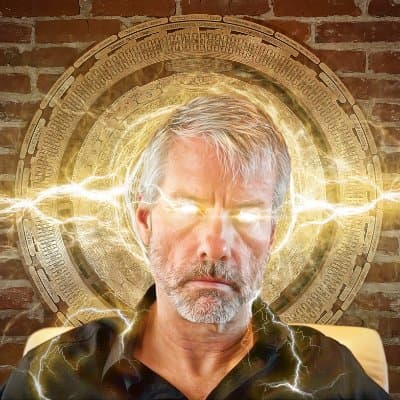
Executive Chairman of MicroStrategy
The most visible corporate Bitcoin advocate, known for turning MicroStrategy into the largest public-company holder of B...
Strategy Sells 1,690 Bitcoin to Buy Back STRC Shares
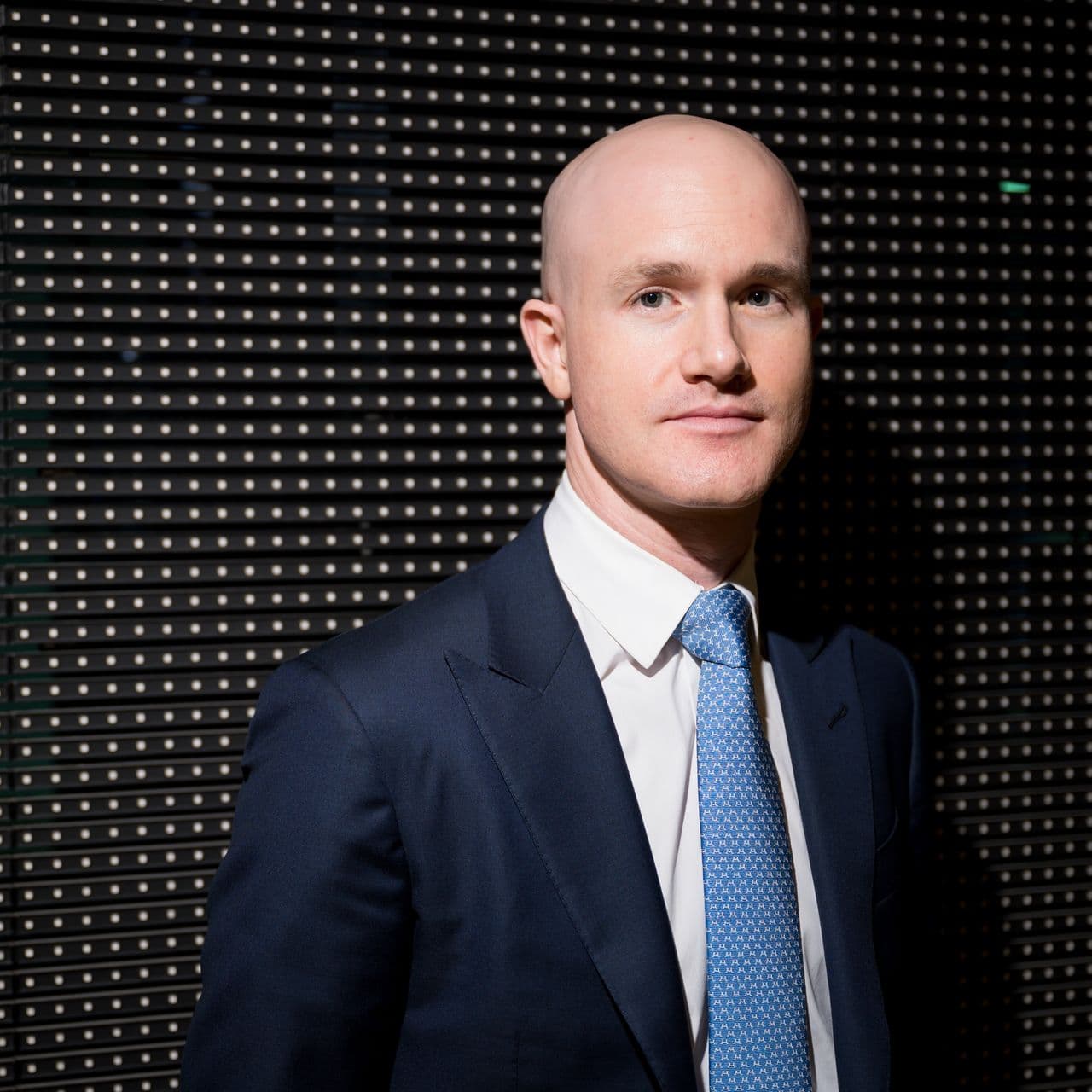
Co-founder and CEO of Coinbase
Co-founder and CEO of Coinbase, the leading US crypto exchange and the first major crypto company to go public on Nasdaq...
Coinbase Suspends Six Non-USD Trading Pairs to Consolidate Liquidity

Founder of Cardano and IOG, and Ethereum co-founder
Former Ethereum co-founder who left to build Cardano, a blockchain ecosystem centered on academic research and peer-revi...
Deep reporting on hidden risks, fraud patterns, collision signals, and controversies.
 COLLAPSE
Multicoin Capital has invested more than $100 million in Hyperliquid's HYPE token, a nine-figure allocation that puts fresh focus on institutional conviction in...
 FRAUD
FRAUDThe loss stemmed from the Coreum-to-XRPL bridge, according to reporting from crypto. news , which attributed the drain to a relayer logic flaw rather than a com...
 FRAUD
FRAUDGrayscale has withdrawn its SEC ETF filings tied to Cardano (ADA), Hedera (HBAR), and Polkadot (DOT), pulling three separate exchange-traded fund registrations...
 FRAUD
FRAUDThe founder of Eliza Labs has sold $25 million worth of ElizaOS tokens, a move that has drawn fresh scrutiny because it landed as a lawsuit hit the project. The...
Official company announcements, product launches, and industry updates.

London, United Kingdom, 17th June 2026, Chainwire

Singapore, Singapore, 12th June 2026, Chainwire

Victoria, Seychelles, 12th June 2026, Chainwire

Mahe, Seychelles, 10th June 2026, Chainwire