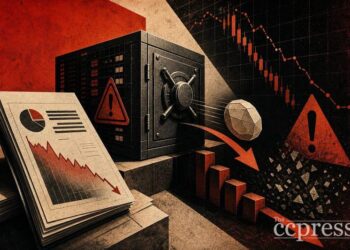



















Binance says its AI-powered security systems have prevented $10.5 billion in potential user losses from scams and phishing, a figure the exchange is using to underscore its investment in automated threat detection.
What Binance said about the $10.5 billion figure
The $10.5 billion refers to potential losses that Binance claims its AI systems intercepted before users were affected. The exchange attributes the figure to its internal risk management infrastructure, which targets scam attempts and phishing campaigns directed at its platform users.
Binance has framed the number as cumulative prevented losses rather than actual funds recovered. The distinction matters: “potential losses” represent flagged and blocked transactions that the exchange’s models identified as suspicious, not money that was stolen and later returned.
The claim has not been independently verified. Readers should treat the figure as Binance’s own reporting rather than an audited result, and the exchange has not disclosed what methodology was used to calculate the total.
How AI tools are being used to stop scams and phishing
Binance has publicly described its approach to fighting financial crime through a combination of machine learning models and human review teams. According to Binance Academy’s overview of its anti-crime operations, the exchange uses pattern recognition to flag suspicious withdrawal requests, unusual login behavior, and known scam wallet addresses.
Phishing remains one of the most common attack vectors against exchange users. Fraudulent emails, fake login pages, and impersonation schemes trick users into revealing credentials or approving malicious transactions. AI systems can scan for these patterns at scale across millions of daily transactions.
The broader industry has seen a sharp rise in crypto-related fraud. The FBI’s 2024 Internet Crime Complaint Center report documented significant losses from cryptocurrency-related scams reported by U.S. victims, reinforcing why exchanges are investing heavily in automated detection.
These AI compliance systems typically monitor withdrawal patterns, cross-reference wallet addresses against known fraud databases, and flag accounts exhibiting behavior consistent with social engineering attacks. The speed gap between automated screening and manual review is what makes AI-based detection critical for platforms operating at Binance’s transaction volume.
Why the claim matters for Binance users and the wider exchange sector
Security messaging has become a competitive differentiator among centralized exchanges. As users weigh where to hold and trade assets, the strength of an exchange’s fraud prevention systems directly influences trust and retention.
The announcement comes as the exchange sector faces intensifying scrutiny over user protection standards. Recent incidents, including the exploit that hit Huma Finance for 101,400 USDC, highlight how quickly user funds can be drained when security systems fail. Meanwhile, regulatory discussions like those surrounding stablecoin legislation ahead of the CLARITY markup continue to shape compliance expectations across the industry.
For Binance specifically, security credibility carries additional weight given its regulatory history. Pointing to measurable prevention outcomes supports its broader effort to rebuild institutional trust.
Other major exchanges have similarly emphasized compliance and security investments. Coinbase CEO Brian Armstrong recently addressed Republican senators on the topic of industry oversight, reflecting sector-wide competitive pressure to demonstrate user protection capabilities.
Whether Binance’s prevention figure holds up to independent scrutiny remains an open question. Until third-party audits or regulatory filings corroborate the number, it serves primarily as a signal of the exchange’s stated priorities rather than a verified industry benchmark.
Disclaimer: This article is for informational purposes only and does not constitute financial or investment advice. Cryptocurrency and digital asset markets carry significant risk. Always do your own research before making decisions.