



















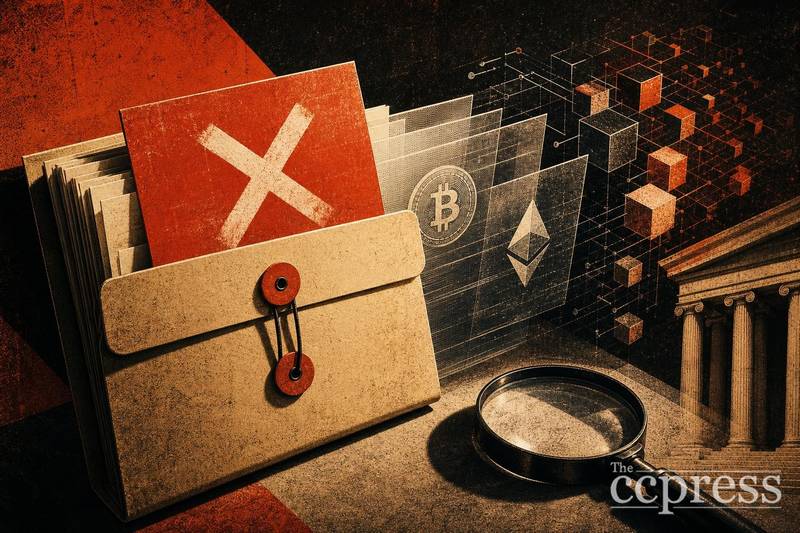
Bitwise has withdrawn its proposed Bitcoin and Ethereum ETF filing, pulling a product that would have given investors combined exposure to the two largest cryptocurrencies through a single regulated vehicle.
The withdrawal was recorded in filings accessible through the SEC’s EDGAR database, where Bitwise’s proposed Bitcoin and Ethereum ETF had been listed under the company’s regulatory submissions.
What Bitwise withdrew and why the filing mattered
The proposed fund was notable because it bundled Bitcoin and Ethereum, the two most widely held digital assets, into a single ETF wrapper. Most crypto ETF products on the market or in the regulatory pipeline target one asset at a time.
A multi-asset structure would have simplified portfolio construction for investors seeking broad crypto exposure without managing separate positions. That design choice reflected growing interest among asset managers in diversified crypto products beyond single-token funds.
Bitwise, a San Francisco-based crypto asset manager registered with the SEC, has been active in the ETF space and manages several crypto-focused investment products. The firm’s decision to withdraw this particular filing does not necessarily signal a retreat from its broader ETF ambitions.
How the proposed ETF fit into the broader landscape
The filing sat at the intersection of two major trends in crypto asset management: the maturation of spot Bitcoin ETFs and the push to bring institutional capital into digital assets through regulated structures.
Combined Bitcoin and Ethereum products represent a logical next step for issuers looking to expand beyond single-asset offerings. Bitcoin and Ethereum together account for the vast majority of the total crypto market capitalization, making a paired fund a natural fit for diversified exposure.
ETF filings are typically assessed through both product demand and regulatory positioning. Issuers test different structures, from single-asset spot funds to multi-asset index products, to find configurations that satisfy both investor appetite and SEC requirements.
What the withdrawal could mean for future filings
A withdrawn filing is a routine part of the ETF development process. Issuers regularly pull proposals to revise fund structures, adjust fee schedules, respond to regulatory feedback, or retime a launch for better market conditions.
The withdrawal does not preclude Bitwise from submitting a revised or entirely new filing in the future. Firms across the asset management industry have historically used withdrawal-and-refile cycles as part of their engagement with SEC review processes.
Market participants tracking Bitwise’s next move should watch for subsequent S-1 or 19b-4 submissions from the firm. A refiled proposal could feature a different weighting methodology, custody arrangement, or fee structure compared to the original.
Separately, major crypto market participants continue to position around both Bitcoin and Ethereum. MARA’s recent purchase of 1,000 BTC underscores ongoing institutional conviction in the asset class, while the XRP Ledger’s v3.2.0 upgrade highlights continued infrastructure development across the broader digital asset ecosystem.
Whether Bitwise returns with a revised combined offering or pivots to a different product structure remains an open question that only future regulatory filings will clarify.
Disclaimer: This article is for informational purposes only and does not constitute financial or investment advice. Cryptocurrency and digital asset markets carry significant risk. Always do your own research before making decisions.