


















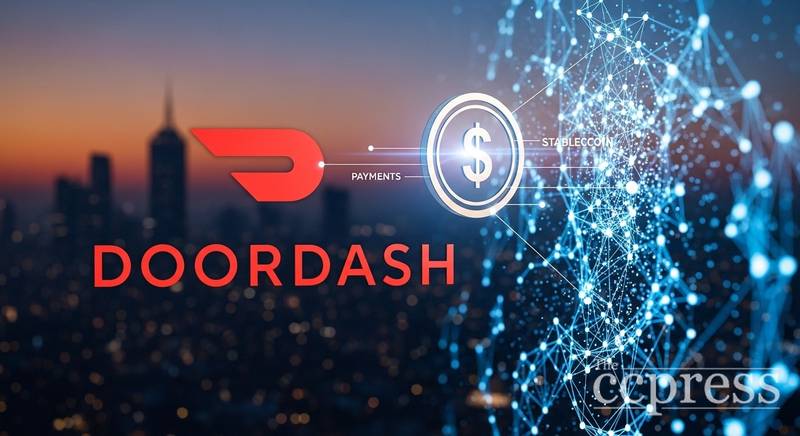
DoorDash is reportedly exploring stablecoin payments through Tempo blockchain infrastructure, according to a report from PYMNTS. The partnership, if confirmed, would mark one of the most prominent mainstream consumer apps to integrate blockchain-based payment rails.
What the DoorDash-Tempo Report Actually Says
A PYMNTS report states that DoorDash is turning to Tempo to offer stablecoin payments. Tempo, a blockchain infrastructure provider, also appears to reference DoorDash on its customer stories page.
Key details are still missing. No official announcement from DoorDash has surfaced confirming the integration. The specific stablecoin to be supported, the geographic rollout plan, and the timeline for any launch have not been disclosed in available reporting.
The story should be treated as a report rather than a confirmed product launch. Readers expecting to pay for deliveries with stablecoins today will not find that option in the DoorDash app.
Why Stablecoin Payments on DoorDash Would Matter
Stablecoins are cryptocurrencies pegged to fiat currencies like the U.S. dollar, designed to avoid the price swings of assets like Bitcoin or Ethereum. They are already widely used in crypto-native trading and cross-border transfers, but consumer-facing merchant adoption remains limited.
A company the size of DoorDash integrating stablecoin payments would represent a significant step toward everyday blockchain commerce. Potential advantages for merchants include faster settlement compared to traditional card networks and potentially lower transaction fees.
The report comes at a time when stablecoin supply on major networks continues to grow, suggesting rising infrastructure readiness for mainstream payment use cases. Cross-border delivery payments, tipping, and contractor payouts are all areas where stablecoin rails could reduce friction.
Tempo’s role as the blockchain infrastructure layer is notable. Rather than building on a general-purpose chain, DoorDash would reportedly use a purpose-built payments rail, which could simplify compliance and integration for a non-crypto company.
The Missing Details That Will Decide Whether This Is a Real Rollout
Several details would need confirmation before the report can be assessed as a meaningful product development.
- Which stablecoin? USDC and USDT are the dominant options, each with different regulatory profiles and issuer relationships.
- What markets? A U.S.-only rollout would face different regulatory requirements than a global launch, particularly around money transmission licensing.
- User and merchant flow: It is unclear whether customers would pay in stablecoins directly, whether merchants would receive fiat or crypto, or whether the stablecoin layer would be invisible to end users.
- Custody and compliance: Who holds the stablecoins, how KYC/AML requirements are met, and what happens in the event of a disputed transaction are all unaddressed.
The regulatory landscape for stablecoin payments is itself evolving. Recent state-level enforcement actions against major crypto platforms have underscored how quickly the compliance environment can shift. Any DoorDash stablecoin feature would need to navigate an increasingly active state regulatory apparatus alongside federal oversight.
Until DoorDash or Tempo issues a formal announcement with rollout specifics, the report remains an early signal rather than a confirmed product. Readers should watch for official statements from either company, details on supported stablecoins, and any regulatory filings that would accompany a consumer-facing crypto payment feature.
Disclaimer: This article is for informational purposes only and does not constitute financial or investment advice. Cryptocurrency and digital asset markets carry significant risk. Always do your own research before making decisions.