




















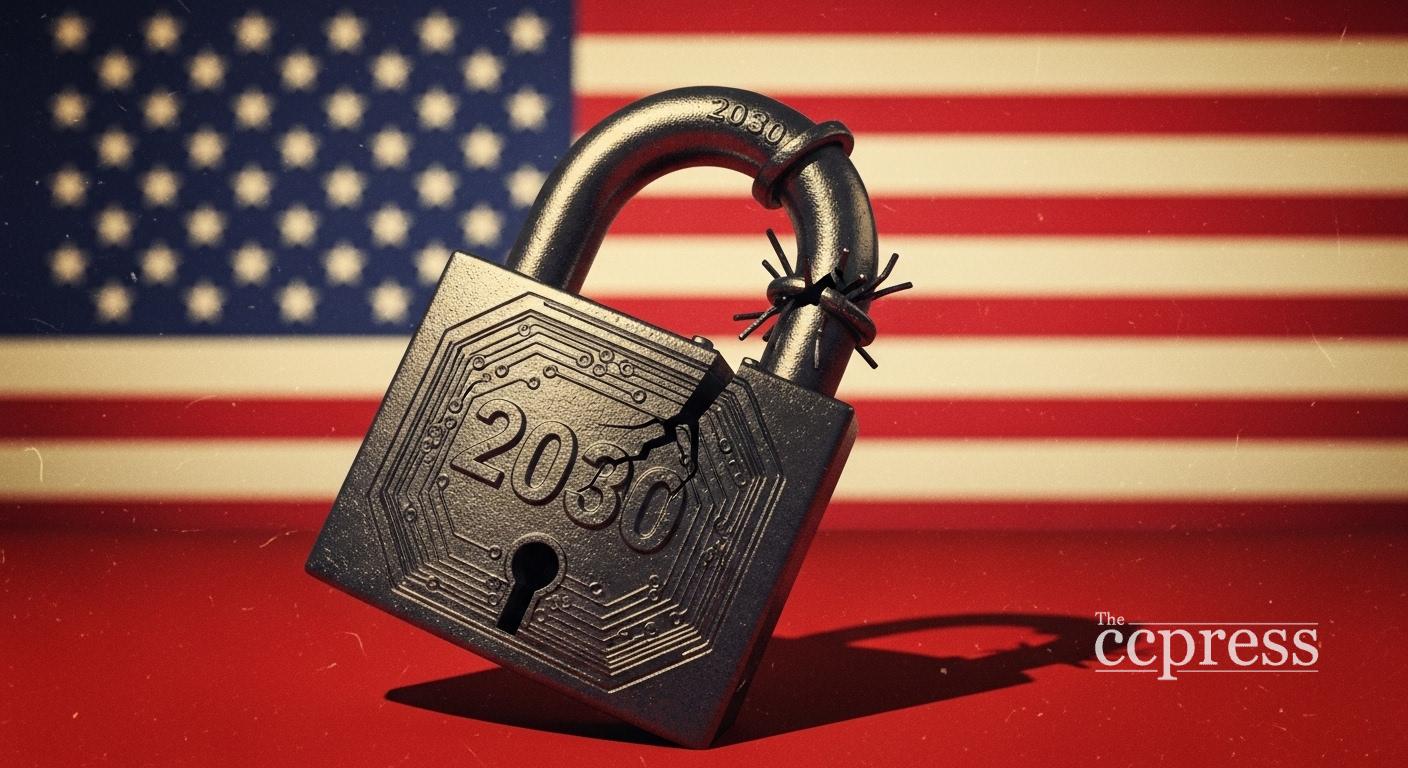
The U.S. Senate advanced a bipartisan housing package that embeds a U.S. Senate CBDC ban by prohibiting a federal reserve–issued digital dollar, establishing a Federal Reserve digital dollar moratorium through the end of 2030. The measure is folded into the 21st Century ROAD to Housing Act, commonly referred to as the Senate’s housing bill.
As reported by Yahoo News, the chamber advanced the package on an 84–6 vote and the administration publicly backed the bill, explicitly highlighting the CBDC restriction and warning a digital dollar could pose significant threats to personal privacy and liberty.
U.S. Senate CBDC ban blocks Fed issuance directly or through intermediaries
The bill’s CBDC language is narrowly targeted at the Federal Reserve System. According to MoneyCheck, it prevents the Federal Reserve or any Federal Reserve Bank from issuing or creating a central bank digital currency, or any substantially similar digital asset, either directly or indirectly through intermediaries.
The scope clause is designed to close potential workarounds by barring indirect issuance via third parties while the moratorium is in effect. The text aims at government issuance and creation rather than broadly restricting private-sector digital asset activity, which is addressed separately through exceptions.
Federal Reserve digital dollar moratorium runs through December 31, 2030
The statutory sunset is December 31, 2030; unless Congress acts again, the prohibition would lapse after that date. Political debate around the sunset is already active: as reported by Cointelegraph, a group of House members led by Rep. Michael Cloud, with Rep. Ralph Norman among the signatories, argued the prohibition should be permanent, while Rep. Maxine Waters criticized the approach as overbroad and warned it could chill exploration of digital dollar innovations even as other economies such as China and the EU press ahead.
Industry groups framed the moratorium as a civil-liberties safeguard that leaves room for private innovation. “We strongly support the Senate’s inclusion of CBDC prohibition language … A government-issued CBDC would threaten core American values – financial privacy, civil liberties, and limits on state power – by giving the government unprecedented insight into (and potential leverage over) everyday transactions,” said Summer Mersinger, CEO, Blockchain Association, in a statement published by the Senate Banking Committee.
21st Century ROAD to Housing Act includes privacy-preserving stablecoin exceptions
The text carves out room for privately issued dollar-referencing tokens under strict parameters. As reported by The Block, stablecoins are excepted if they are open, permissionless, and private, and if they fully preserve the privacy protections associated with U.S. coins and physical currency.
Functionally, that exception delineates retail CBDC from private-sector stablecoins that meet rigorous privacy and openness criteria. It signals a policy preference, at least through the 2030 sunset, for private solutions to digital dollars while deferring any decision on a Fed-issued retail CBDC, with the outcome likely to hinge on evolving views about surveillance risk, innovation, and U.S. competitiveness.
| Disclaimer: The content on The CCPress is provided for informational purposes only and should not be considered financial or investment advice. Cryptocurrency investments carry inherent risks. Please consult a qualified financial advisor before making any investment decisions. |