
















Nasdaq–Payward deal links tokenized equities to DeFi while preserving rights
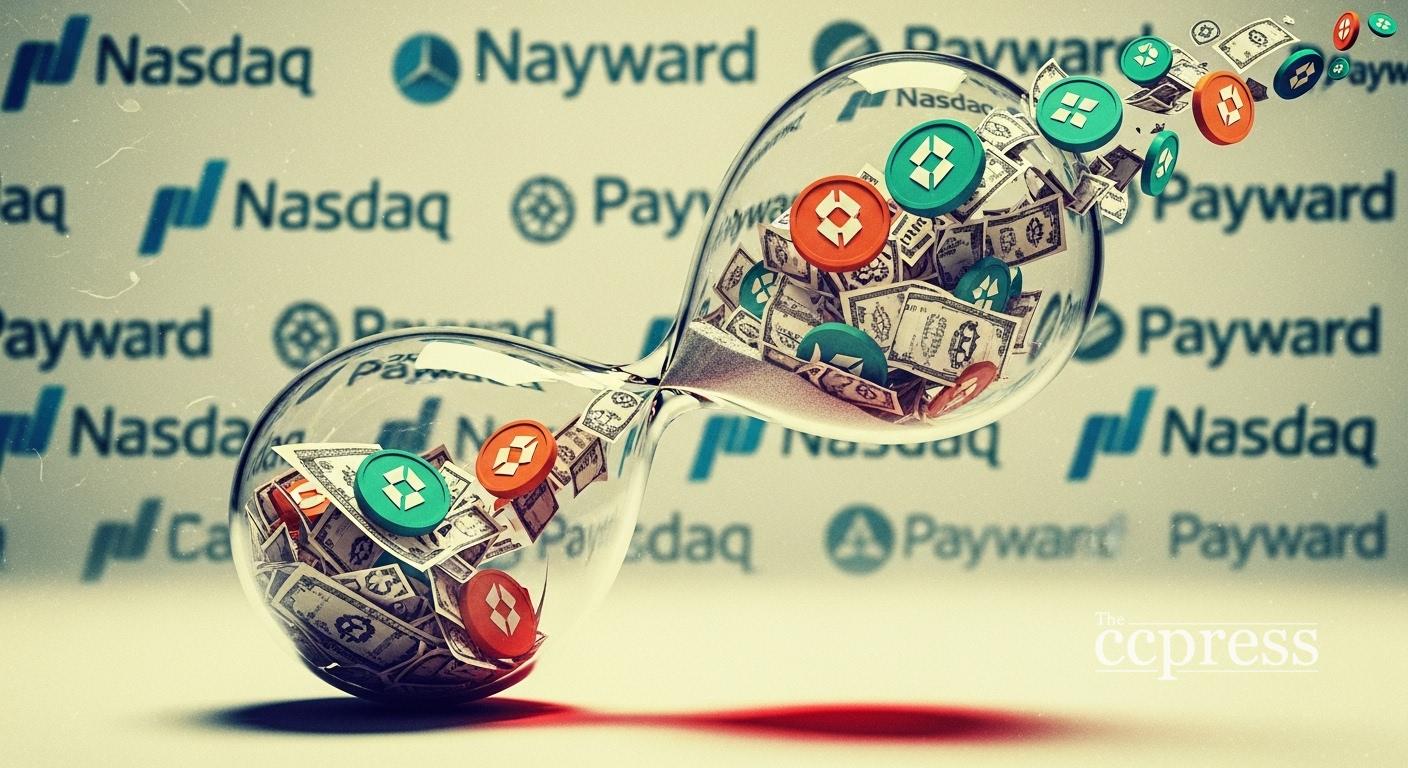
Nasdaq has partnered with Kraken’s parent company Payward to develop infrastructure for trading tokenized equities that bridge traditional finance and decentralized finance while preserving issuer and shareholder rights. As reported by The Block, the effort centers on an “equity token” design that keeps existing regulatory structures in place and targets initial operations in the first half of 2027.
The Nasdaq–Payward partnership positions tokenized equities as programmable instruments that can interoperate across regulated markets and open blockchain networks without sacrificing price integrity or corporate control. The approach aims to differentiate true tokenized securities from synthetic lookalikes that may not convey voting or dividend rights.
How equity tokens would work across Nasdaq, DTC, and TradFi–DeFi
Under the proposed market model, tokenized equities would reference the same underlying securities that trade on exchange, with settlement and custody anchored to existing market plumbing such as the Depository Trust Company (DTC). According to Nasdaq’s rule and Q&A materials, the exchange has filed a proposal with the U.S. Securities and Exchange Commission (SEC) designed to integrate tokenization into current infrastructure rather than replace it.
Interoperability is a central design goal: equity tokens are intended to operate on permissioned institutional rails and on public blockchains used by DeFi, while issuer rights and corporate actions continue to flow through to holders. The design emphasizes that capital‑markets compliance and market transparency remain intact as assets move between environments.
Payward’s leadership frames this as an asset‑layer upgrade that brings programmability to equities without diluting legal protections or market integrity. “Tokenization upgrades market infrastructure at the asset layer by allowing equities to exist as programmable financial instruments that can operate across both regulated capital markets and open blockchain networks while preserving issuer rights and price integrity,” said Arjun Sethi, Co‑CEO at Payward.
Interoperability could enable on‑chain functionality in DeFi alongside use in regulated venues, subject to how integrations are implemented and approved. Specific features would depend on the final technical design and the scope permitted by market rules.
Regulatory status, investor protections, and H1 2027 launch window
SEC approval remains necessary before any listing or trading regime for tokenized equities can become effective. Tokenized securities are still securities and must comply with existing law, according to Coin360’s account of Commissioner Hester Peirce’s remarks.
Within that framework, investor protections are expected to mirror today’s structure: shareholder rights such as voting and dividends would be preserved and administered through established processes. The proposal track contemplates using existing exchange rules and depository systems to maintain market integrity and reporting.
Industry watchdog analysis has cautioned that some tokenized “stock” offerings on non‑exchange platforms have been structured more like derivatives and may not report trades to the consolidated tape, as reported by Compliance Corylated. By contrast, the Nasdaq–Payward model is described as anchored to regulated market infrastructure and settlement.
Execution risk remains until the legal, technical, and operational pieces are in place. The working timeline targets an H1 2027 go‑live for core services, with feature availability contingent on approvals and integration.
| Disclaimer: The content on The CCPress is provided for informational purposes only and should not be considered financial or investment advice. Cryptocurrency investments carry inherent risks. Please consult a qualified financial advisor before making any investment decisions. |