


















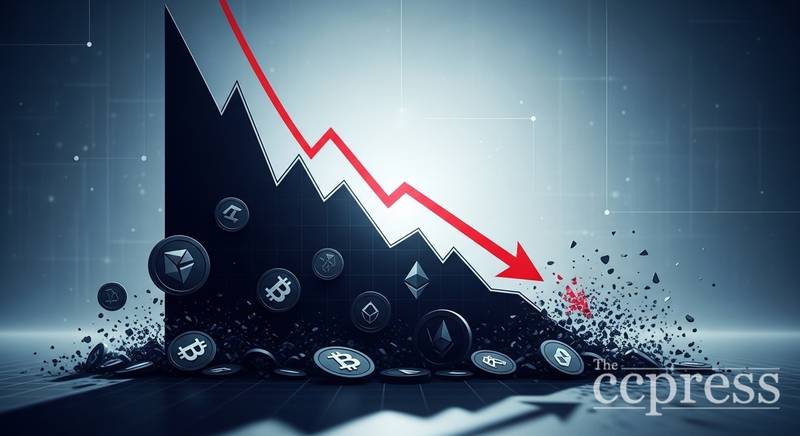
More than 127,000 crypto traders were liquidated in a single 24-hour window on March 19, wiping out over $444 million in leveraged positions as Bitcoin slid toward $70,000 and market sentiment plunged to Extreme Fear.
127,198 Traders Wiped Out: The Full Breakdown
Approximately 127,198 crypto traders were forced out of their positions over the past 24 hours, with total liquidations reaching $444.78 million. That figure represents a 44.49% increase compared to the prior 24-hour period, signaling a sharp acceleration in volatility.

Long positions bore the brunt of the damage. Longs accounted for $341.96 million, or roughly 77% of all liquidations. Short liquidations totaled $102.82 million, making up the remaining 23%.
The lopsided ratio confirms that the selloff punished bullish bets. Traders who had leveraged long on Bitcoin, Ethereum, and altcoins were caught on the wrong side of a sharp downward move.
The largest single liquidation order was a $10.81 million BTC-USD position on Hyperliquid. Bitcoin was trading around $70,380 at the time of the data capture, roughly 20:35 UTC on March 19.
What Drove the Cascade
The liquidation wave hit during a period of deepening market fear. The Fear & Greed Index sat at 23 out of 100, firmly in Extreme Fear territory, a level that reflects broad risk aversion across the crypto market.
When leveraged traders are positioned heavily long and the market moves against them, forced liquidations trigger a cascade. Each liquidated position adds sell pressure, pushing prices lower and triggering further liquidations. The 77% long dominance in this event fits that pattern precisely.
The scale of the event also reflects elevated leverage heading into the move. High open interest combined with concentrated long positioning created the conditions for a sharp flush, similar to the mechanics behind large-scale losses across the crypto industry that compound when risk management fails.
How This Compares to Recent Liquidation Events
At $444.78 million, March 19’s liquidation event is significant but falls below the extreme spikes that rattled markets earlier in 2026. On February 1, crypto liquidations exceeded $2.2 billion in a single day. February 5 saw another $1.45 billion wiped out, and February 23 brought $467 million in liquidations.
The pattern suggests a “new normal” of elevated liquidation activity in 2026. While single-day figures have come down from the $1 billion-plus extremes of early February, the frequency and scale of these events remain well above what markets experienced through much of 2025.
What makes this event notable is the trader count. Over 127,000 individual positions were liquidated, spread across exchanges and assets. The relatively modest dollar figure compared to February’s spikes, combined with the high trader count, suggests smaller retail positions were disproportionately affected this time.
The 44.49% day-over-day increase in liquidation volume also stands out. It indicates that volatility is not receding but actively expanding, a warning sign for traders maintaining leveraged positions in either direction.
What Traders Are Watching Now
With BTC hovering near $70,380 and the Fear & Greed Index deep in Extreme Fear, the question is whether the flush has cleared enough leverage to stabilize prices, or whether more liquidations lie ahead.
Major exchange delistings, like Binance’s upcoming removal of eight tokens on April 1, could add further pressure on specific altcoin positions. Meanwhile, on-chain activity from prominent traders continues to draw attention as market participants look for directional signals.
Open interest levels after a flush of this size typically indicate near-term trajectory. If open interest rebounds quickly, it suggests new leveraged positions are being opened into the volatility, raising the risk of another cascade. If it stays flat, the market may be entering a cooling period.
Disclaimer: This article is for informational purposes only and does not constitute financial or investment advice. Cryptocurrency and digital asset markets carry significant risk. Always do your own research before making decisions.