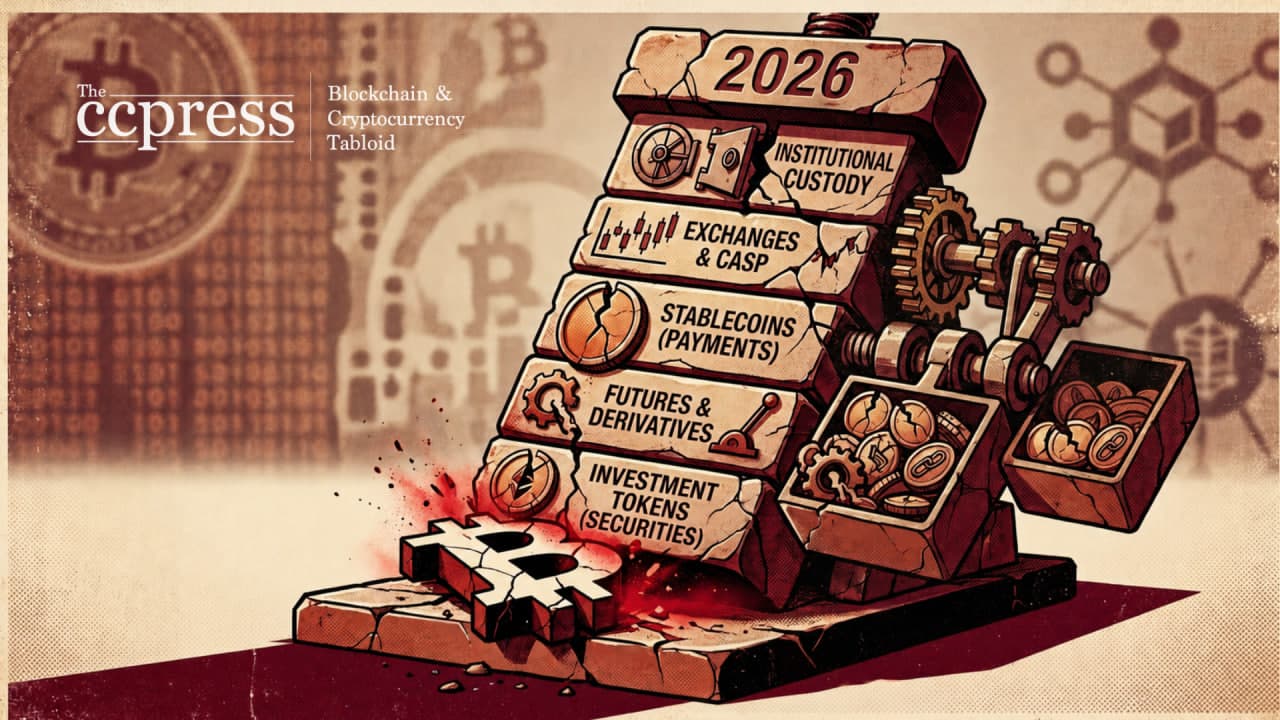

The easiest way to understand the subject is to separate three products that can appear on the same trading screen. Spot Bitcoin is the asset. A Bitcoin future is a contract with defined terms and settlement. A Bitcoin perpetual is a contract with no conventional expiry that uses funding, margin, and liquidation rules to maintain exposure to a reference price. The screen may look similar, but the legal and economic structure is not.

Key takeaways
- CFTC analysis follows the derivatives contract and the market infrastructure around it, not the Binance Philippines crypto-services approval brand alone.
- Perpetuals are not spot trading with more leverage. Funding, collateral, mark price, liquidation, and index design determine how the position behaves.
- A defensible regulatory claim names the legal entity, venue, product, customer scope, registration or filing, clearing path, and source date.
CFTC oversight covers the contract and its market infrastructure
The CFTC analysis starts with the product being offered, the entity offering it, and the infrastructure that supports the trade. The CFTC’s Division of Market Oversight is responsible for important parts of the derivatives market, including designated contract markets and trading rules. In a crypto review, that means the writer must inspect more than a platform’s licence badge or home page.
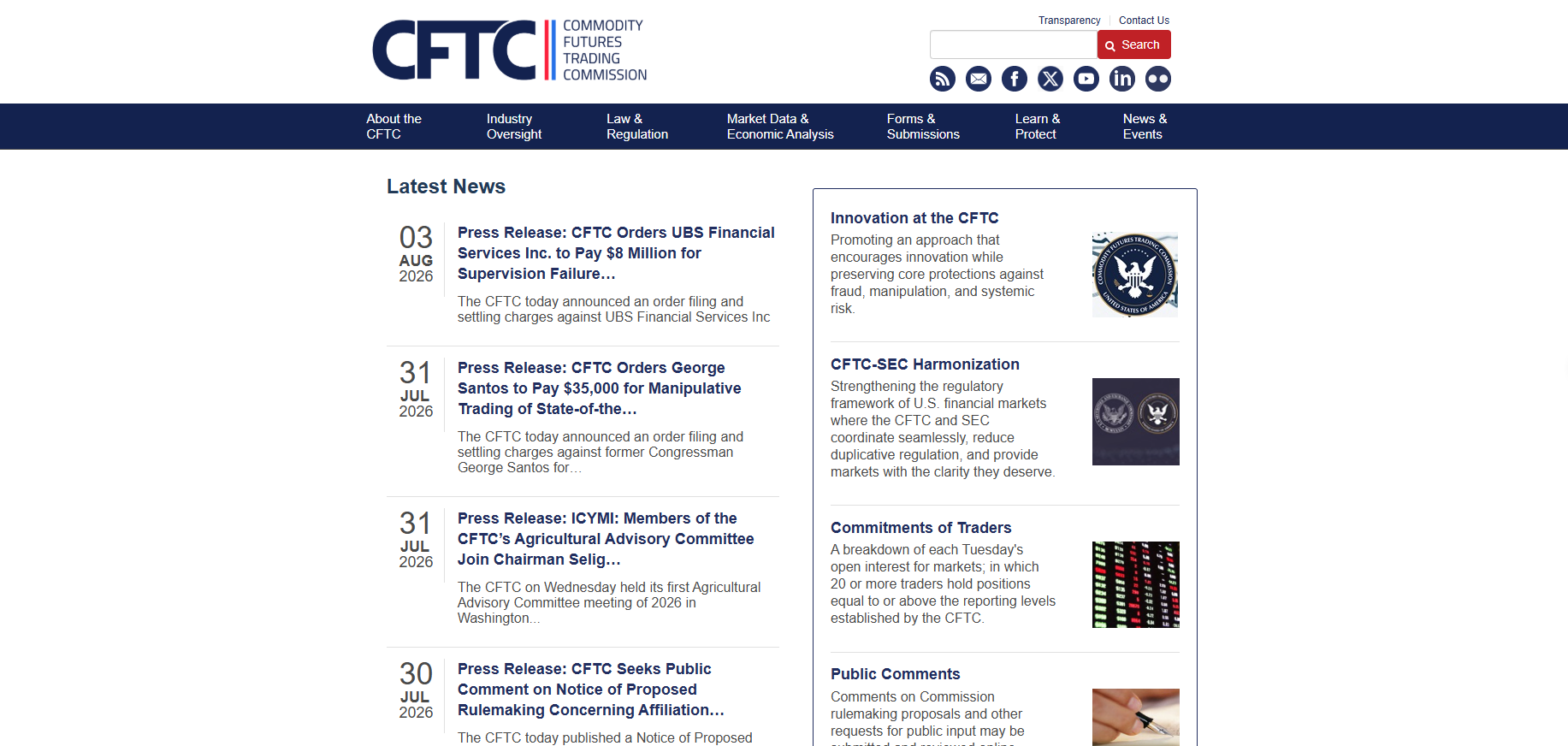
The practical question is whether a specific contract is offered, traded, margined, cleared, and supervised through a framework that covers that activity. A company may run a spot Binance Philippines crypto-services approval through one legal entity and offer derivatives through another. A front-end brand may also route customers to an offshore venue, a broker, or a separate derivatives subsidiary. Those differences change the regulatory answer.
| Product or control | What the reader is actually looking at | Evidence to check |
|---|---|---|
| Spot market | Purchase or sale of the underlying token | Asset delivery, custody, venue terms, and entity |
| Futures | Standardised contract with defined expiry or settlement terms | Contract specifications, venue status, margin, clearing, and settlement |
| Perpetual | Derivative exposure with no conventional expiry | Funding, index, mark price, liquidation, collateral, and venue terms |
| Options | Contract that gives a right, but not an obligation, to buy or sell at a defined price | Strike, expiry, exercise, margin, clearing, and customer eligibility |
| Bilateral swap | Negotiated exposure between counterparties rather than a simple public order-book trade | Counterparty, collateral, documentation, reporting, and governing entity |
Perpetuals create a derivatives position, not a spot balance
The direct distinction is simple. A spot buyer receives the asset or a claim to the asset held by a custodian. A perpetual trader receives a contract whose value follows an index or reference price. The trader normally posts collateral, pays or receives funding, and accepts liquidation rules instead of taking delivery of Bitcoin or Ether.
Suppose a trader opens a long perpetual position with 5,000 USDT of collateral and 5x exposure. The trader controls a position with a notional value of about 25,000 USDT, but does not own 25,000 USDT of Bitcoin. A relatively small adverse price move can reduce the collateral enough to trigger partial or full liquidation. The exact threshold depends on the venue’s maintenance-margin formula, fees, mark price, and risk tier.
Funding is the mechanism commonly used to keep the perpetual contract close to its reference market. When the perpetual trades above the index, long traders may pay shorts. When it trades below the index, shorts may pay longs. Funding is not the same as interest on a loan, and it does not guarantee that the contract will track spot perfectly. It is a venue-specific transfer calculated under published rules.
The mark price is also different from the last traded price. A venue may use an index made from several spot markets and then apply a calculation to determine the price used for unrealised profit, loss, and liquidation. That protects traders from one isolated trade moving the liquidation reference, but it also means that readers must inspect the index methodology instead of copying a price from the trading interface.
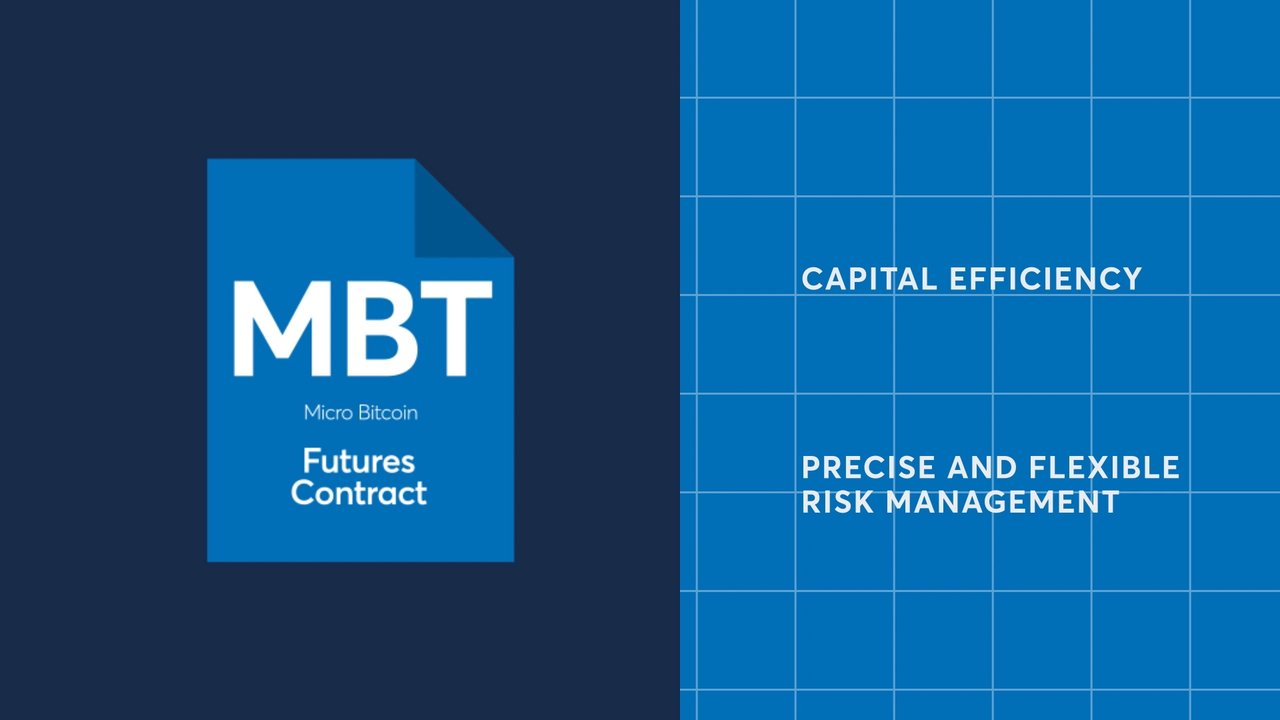
Contract size is another practical difference that changes who can use a futures market. CME’s Micro Bitcoin futures contract uses the ticker MBT and is designed as a smaller contract than the standard BTC contract. That does not remove futures risk; it changes the notional size and the amount of capital needed to adjust exposure more precisely.
Funding, margin, and liquidation determine the trader outcome
The trader’s result is determined by the complete risk chain, not by leverage alone. Initial margin opens the position. Maintenance margin keeps it open. Funding transfers value between sides. Fees reduce collateral. The mark price measures the position. Liquidation closes some or all of the position when the account no longer meets the venue’s requirements.
The order of events matters. If the market moves against a highly leveraged long, the venue can reduce the position before the trader’s collateral reaches zero. In a fast market, the liquidation price, bankruptcy price, insurance fund, and socialised-loss or auto-deleveraging rules can all affect the final result. Two venues showing “10x leverage” may therefore produce different outcomes for the same Bitcoin move.
Open interest is another commonly misunderstood number. It measures the outstanding notional or contract count, depending on the source’s methodology. It does not reveal whether traders are net long or net short, whether positions are hedged elsewhere, or whether the exposure belongs to a few large accounts. Funding and open interest are evidence of positioning, not a standalone forecast.
| Market data | What it can show | What it cannot prove by itself |
|---|---|---|
| Open interest | Amount of outstanding derivatives exposure | Direction, hedging, concentration, or future price |
| Funding rate | Payment pressure between long and short positions | The reason for a move or whether the move will continue |
| Basis | Difference between a derivative price and a spot reference | Whether the difference reflects carry, stress, liquidity, or manipulation |
| Liquidation volume | Positions forcibly closed during a period | The full size of losses or the quality of the venue’s liquidation data |
| Mark and index price | Reference used for account valuation or liquidation | Whether the index is representative without its constituent methodology |
| Reported volume | Activity reported by a venue or data provider | Genuine demand without wash-trading and incentive analysis |
For a market report, the safest presentation pairs the number with its definition, timestamp, source, and limitation. A headline such as “record liquidations” is incomplete unless the article states the time window, assets, venues, and whether the number refers to notional value or actual customer loss.
Price discovery moves between spot and derivatives venues
Crypto price discovery is distributed across spot markets, perpetuals, dated futures, options, exchange-traded products, OTC desks, and market makers. Spot can lead when direct buying or selling is dominant. Perpetuals can lead short-term moves when leverage is crowded and liquidations force additional orders. Arbitrage connects the markets, but it does not make their prices identical at every moment.
The regulatory relevance is market integrity. A venue needs a reliable reference price, controls for manipulation, an auditable order record, and procedures for unusual activity. A funding spike can show that one side is paying heavily, but it does not identify the trader causing the pressure. A sudden liquidation wave can reflect a genuine market move, an index dislocation, thin liquidity, or a venue-specific risk event.
That is why a useful comparison names the mechanism behind the data. It should say whether the evidence comes from open interest, funding, basis, liquidations, spot flows, or order-book depth, then explain what remains unknown. This is more useful than presenting one exchange’s dashboard as the whole market.
The SEC and CFTC futures framework coverage is useful alongside this article because the underlying asset and the derivative contract are separate analytical layers. A conclusion about the spot asset does not automatically settle the status of a perpetual, future, option, or swap linked to that asset.
Venue, clearing, and customer access define the regulatory scope
The venue determines how orders are matched or arranged. The clearing model determines how margin, default, and settlement are managed. Customer access determines which users can trade and from which jurisdictions. Together, these fields explain why two products with similar names can have different regulatory and operational profiles.
For each venue, record the legal entity that operates the product, the regulator or registration framework named in the source, the location of the customer, the entity holding margin, and the process used for clearing and settlement. Also record whether the product is available to retail users, professional users, or only eligible counterparties. A mobile application or website brand is not enough to identify any of these fields.
Clearing deserves separate attention. A centrally cleared product can reduce direct counterparty exposure by placing a clearing organisation between participants, but it does not remove market risk, liquidation risk, operational risk, or the possibility of a default-management event. A bilateral product may use collateral and close-out terms instead of a central clearing process. The article should describe which structure applies instead of using “cleared” as a general quality label.
The CFTC’s public releases on trading, clearing, and settlement should be read with the product terms and venue disclosures. A company announcement may describe a planned launch, while a filing, certification, order, or regulator release establishes the status that can be verified on a particular date.
A defensible derivatives review needs a dated evidence trail
The minimum evidence trail has six parts. First, name the product and contract type. Second, identify the legal entity that offers or operates it. Third, record the venue, clearing route, collateral holder, and customer eligibility. Fourth, capture the contract’s index, funding, margin, and liquidation rules. Fifth, identify the registration, filing, approval, no-action position, or enforcement document being relied on. Sixth, record the publication date and the date on which the product status was checked.
This process separates verified status from marketing language. “Available on a regulated platform” may establish that a platform has some regulated activity, but it does not establish that every perpetual, futures contract, or option is authorised for every customer. “CFTC compliant” also needs a named entity, product, jurisdiction, and source; without them, the phrase is too broad to publish safely.
The same evidence trail improves the article’s market analysis. If a venue reports open interest, the writer can state the timestamp and methodology. If a venue describes an insurance fund, the writer can distinguish its existence from a guarantee that every customer will be made whole. If a product is announced but not yet available, the article can label it as announced rather than live. The related market context is covered in MiCA implementation guide, Brazil Bitcoin reserve rules.
Conclusion
CFTC oversight is best understood as a product-and-infrastructure question. The relevant review follows the contract from order entry through margin, funding, mark price, liquidation, clearing, settlement, and customer access. The exchange brand is only the starting point.
A reliable conclusion names the product, operating entity, venue, customer scope, registration or filing, clearing path, and source date. It also states what the evidence does not establish. A futures filing does not automatically approve spot custody. A regulated venue does not automatically validate the token issuer. High open interest does not predict direction. A published leverage number does not describe the full liquidation risk.
Frequently asked questions
Does the CFTC regulate every crypto exchange?
No. CFTC relevance depends on the activity and product. A company may offer spot trading through one framework and derivatives through another entity, venue, or registration path. The review must identify the contract and the entity offering it.
Are perpetual futures the same as dated futures?
No. Both are derivatives, but a perpetual normally has no conventional expiry and uses funding, index, margin, and liquidation rules to maintain exposure. A dated future has defined contract terms and a settlement or expiry date. The exact rules still depend on the venue.
Does high open interest mean the market will fall?
No. Open interest measures outstanding exposure, not direction. It should be read with funding, basis, spot flows, liquidity, and liquidation data before it is used to describe positioning or market risk.
What should an institutional buyer request from a derivatives venue?
The buyer should request the legal entity, regulatory status, contract terms, clearing model, collateral arrangements, index methodology, margin schedule, liquidation process, customer-eligibility rules, surveillance controls, outage history, and incident-notification procedure.
Disclaimer: This article is for informational purposes only and does not constitute financial or investment advice. Cryptocurrency and digital asset markets carry significant risk. Always do your own research before making decisions.